


Why Music Education Benefits Young Children Early
Music education offers more than just the ability to play an instrument or sing a song. For young children, it opens doors to a wide range of developmental benefits that support their growth in many areas. From improving language skills to boosting social interaction, early exposure to music creates a foundation that helps children thrive both in school and in life.
This post explores why introducing music education early matters, how it supports different aspects of development, and practical ways parents and educators can bring music into young children’s lives.
How Music Shapes Brain Development
Research shows that music activates many parts of the brain at once. When children listen to or create music, they engage areas responsible for memory, attention, language, and motor skills. This multi-sensory stimulation helps build strong neural connections.
For example, learning to keep a beat requires coordination between hearing and movement. Singing songs with words helps children recognize sounds and patterns, which supports language development. These brain activities improve cognitive functions that carry over to other learning areas.
Language and Communication Skills Improve with Music
Music education enhances children’s ability to understand and use language. Songs often contain rhymes, repetition, and rhythm, which help kids hear the sounds that make up words. This skill is essential for reading and speaking clearly.
Children who participate in music classes tend to have larger vocabularies and better pronunciation. They also develop listening skills that help them follow instructions and engage in conversations. For example, a child who learns a song about animals might remember new words like “elephant” or “giraffe” more easily.
Social and Emotional Growth Through Music
Music encourages children to express themselves and connect with others. Group music activities, such as singing in a choir or playing in a small band, teach cooperation and teamwork. Children learn to listen to each other, take turns, and work toward a shared goal.
Music also helps children manage emotions. Playing an instrument or moving to music can be a healthy outlet for feelings like excitement, frustration, or sadness. This emotional expression builds self-awareness and confidence.
Developing Motor Skills with Music
Playing instruments or moving to music improves fine and gross motor skills. For example, tapping a drum or pressing piano keys requires precise finger movements. Dancing or clapping along to a beat helps develop coordination and balance.
These motor skills are important for everyday tasks like writing, tying shoes, or playing sports. Music activities provide a fun way for children to practice and strengthen these abilities.
Music Builds Focus and Discipline
Learning music requires attention and practice. Children must listen carefully, follow instructions, and repeat actions to improve. This process teaches patience and discipline.
Regular music practice helps children develop longer attention spans and better concentration. These skills are valuable in the classroom and beyond. For instance, a child who learns to focus on playing a song may find it easier to concentrate on homework or reading.

Creativity and Imagination Grow with Music
Music encourages children to explore sounds and create their own melodies. This creative process stimulates imagination and problem-solving skills. Children learn to experiment, take risks, and express unique ideas.
For example, improvising a song or inventing new rhythms helps children think outside the box. These creative experiences support innovation and flexible thinking in other areas of life.
Music Supports Academic Achievement
Studies link music education to higher academic performance. Children involved in music often score better on tests in math, reading, and science. This connection may be due to the way music strengthens memory, pattern recognition, and spatial reasoning.
For example, understanding rhythm involves counting and fractions, which relate to math skills. Recognizing patterns in music can improve the ability to solve puzzles or understand complex concepts.
How Parents Can Introduce Music Early
Parents play a key role in bringing music into young children’s lives. Here are simple ways to start:
Sing regularly: Singing lullabies, nursery rhymes, or favorite songs helps children hear language and rhythm.
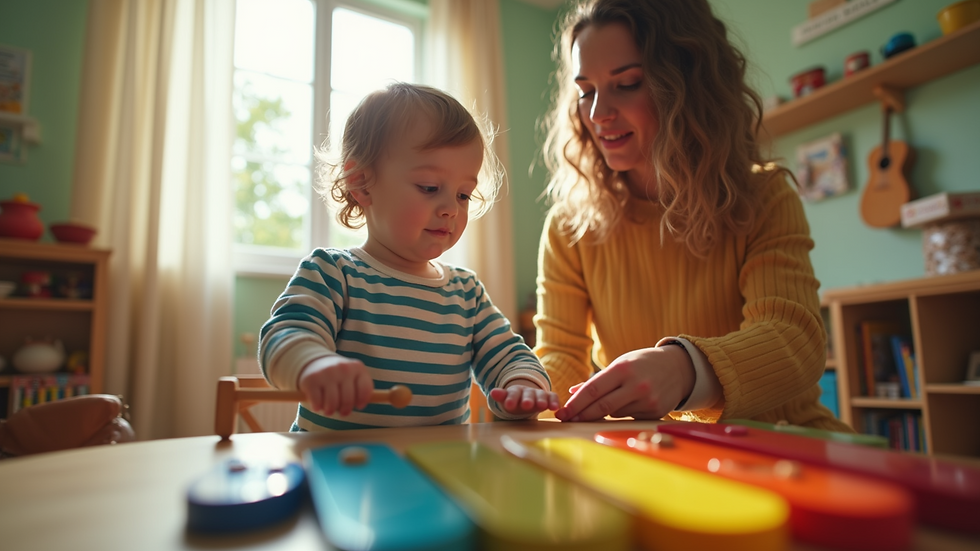
Use instruments: Provide simple instruments like shakers, drums, or xylophones for hands-on play.
Listen together: Play different types of music and talk about what you hear.
Attend classes: Join local music groups or classes designed for young children.
Make music part of daily routines: Turn chores or car rides into musical moments.
Tips for Educators to Foster Music Learning
Educators can create a supportive environment that encourages musical exploration:
Include music activities in daily schedules.
Use songs to teach concepts like numbers, letters, and emotions.
Encourage group singing and movement.
Provide access to a variety of instruments.
Celebrate children’s musical efforts to build confidence.
Overcoming Common Challenges
Some families worry about the cost or time commitment of music education. However, many resources are affordable or free, such as online videos, community programs, and homemade instruments. Even a few minutes of music play each day can make a difference.
Another concern is that children may not show immediate interest. Patience is key. Offering choices and making music fun helps children develop a lasting appreciation.
The Lasting Impact of Early Music Education
Starting music education early gives children tools that benefit them throughout life. It supports brain development, language skills, social connections, motor abilities, focus, creativity, and academic success. These advantages create a strong foundation for future learning and personal growth.
Parents and educators who introduce music in early childhood help children discover joy, build skills, and develop confidence. Music becomes more than a hobby—it becomes a valuable part of a child’s development.
Music education is a powerful way to support young children’s growth. By making music a regular part of early childhood, we give children a head start that lasts a lifetime. Whether through singing, playing instruments, or simply listening, music opens doors to learning and happiness.
Start today by exploring music with the children in your life and watch how it enriches their world.

Comments